Anthropic is launching The Anthropic Institute, a new research body dedicated to addressing the societal challenges posed by increasingly powerful AI systems. The institute combines teams focused on AI safety, economic impacts, and societal effects into a unified organization with dedicated funding and independence.
The move signals Anthropic's intent to position itself not just as an AI company but as a responsible steward of the technology — a strategic bet that proactive governance research will matter as much as model capabilities in the long run.
Google's latest model variant targets high-throughput, cost-sensitive applications — positioning Flash Lite as the go-to for production deployments where speed and price matter more than raw reasoning.
Following Anthropic's twin lawsuits, legal analysts say the company's arguments against the "supply chain risk" designation are well-founded — the label has historically been reserved for foreign adversary entities.
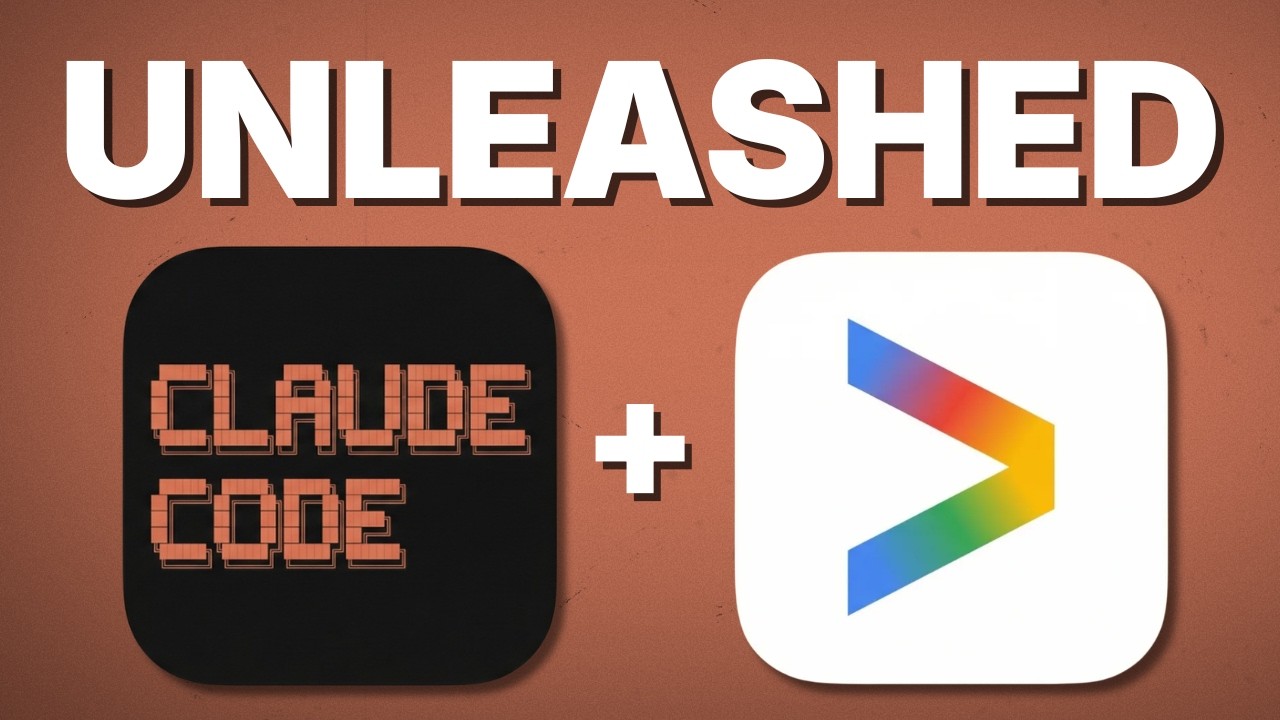
A Google-created CLI tool announced by director Addy Osmani fully unlocks Claude Code capabilities — though notably not an official Google product. The study guide breaks down what it does and why it matters for the agentic development workflow.
NVIDIA releases its agentic AI platform as open source, joining a wave of wired agentic tools from multiple companies. NemoClaw provides a framework for building autonomous AI agents with built-in safety guardrails.
ChatGPT and two other AI chatbots have been approved for official use in the U.S. Senate, marking a significant shift in how the legislative branch approaches AI adoption.
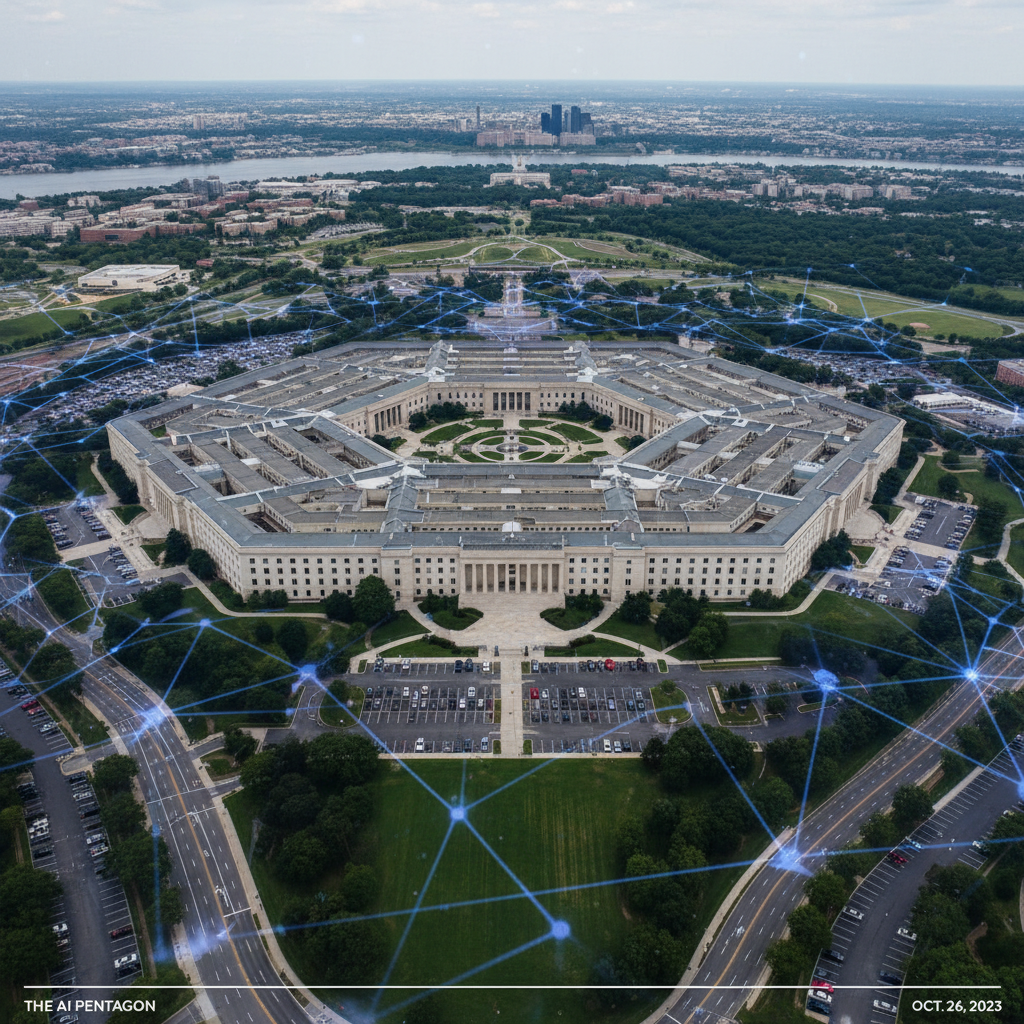
As Anthropic fights its Pentagon blacklisting, Google moves in the opposite direction — agreeing to supply AI agents for unclassified military work. The contrast highlights diverging strategies among major AI labs on defense partnerships.
A new framework for agent memory that moves beyond simple conversation logging to structured, reusable knowledge — a critical capability gap for long-running autonomous agents.
Meta's chief AI scientist raises a massive round for AMI Labs to build "world models" — AI systems that understand physics and spatial reasoning rather than just pattern-matching text.
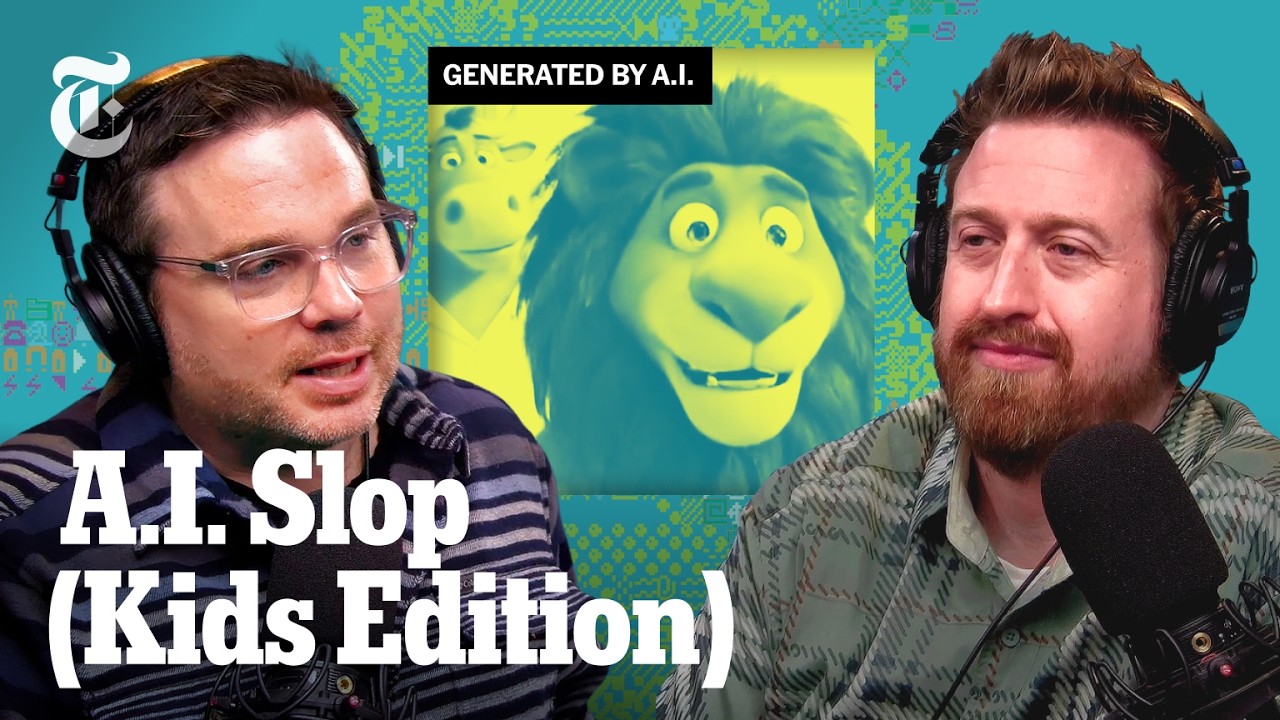
Kevin Roose and Casey Newton examine YouTube's AI-generated content problem targeting children — with NYT reporter Ariela Leica's investigation into the flood of algorithmically-generated kids' content.
Anthropic just hired a Yale Law professor, a former OpenAI economist, and a White House policy veteran — not to build models, but to study what happens when models reshape society. The same week, a Harvard Business Review study found that workers using more than three AI tools simultaneously see their productivity decrease, and an MIT EEG study showed ChatGPT users' brains literally go quieter when AI access is removed. The institutions are scrambling to govern AI. The humans using it are struggling to govern themselves.
▶Listen to the Digest~8 min
Today's Headlines
The Governance Race
Anthropic launches The Anthropic Institute. Jack Clark takes on the role of Head of Public Benefit, consolidating the Frontier Red Team, Societal Impacts, and Economic Research groups under one roof. Key hires include Matt Botvinick (Yale Law/DeepMind) on AI and rule of law, Anton Korinek (UVA) on transformative AI economics, and Zoe Hitzig (ex-OpenAI) bridging economics with model training. A DC office opens this spring. The message: "extremely powerful AI is coming far sooner than many think."
Legal experts say Anthropic has a strong case against Pentagon blacklisting. The "supply chain risk" designation has historically been reserved for foreign adversary entities — Anthropic's twin lawsuits argue the label was applied without due process or factual basis.
Google moves toward the Pentagon as Anthropic fights it. Bloomberg reports Google will supply AI agents for unclassified military work, highlighting a widening strategic divergence among major AI labs on defense partnerships.
ChatGPT approved for official US Senate use. ChatGPT and two additional AI chatbots have been formally authorized for legislative operations — a milestone in governmental AI adoption that will shape how policy gets made about the technology itself.
The Human Cost of AI Speed
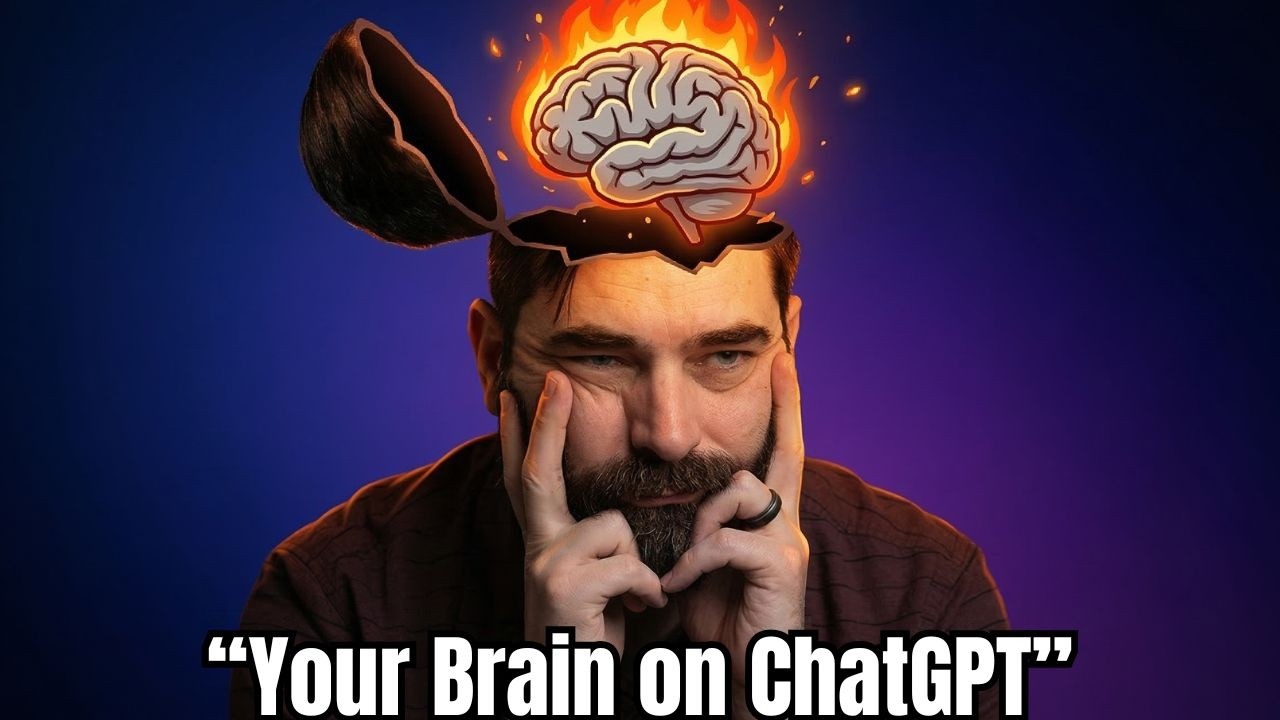
AI is frying your brain — literally. An HBR study of 1,488 workers found productivity drops after using more than three AI tools simultaneously. An MIT EEG study of 54 participants showed LLM users' writing converged in style and vocabulary, and when AI access was removed, their brains showed significantly less activity than the control group. The phone-number analogy holds: outsource cognition long enough and the muscle atrophies.
YouTube's AI slop problem is targeting children. NYT reporter Ariela Leica found over 40% of recommended YouTube Shorts in children's feeds were AI-generated — using injection imagery, rapid transformations, and alphabet frameworks calibrated to exploit developing attention systems. YouTube's labeling requirement only applies to "realistic looking" AI content, exempting most animated slop. AI slop videos receive more recommendations than quality content like PBS Kids shorts.
Ars Technica fires reporter over AI-fabricated quotes. Senior AI reporter Benj Edwards used Claude and ChatGPT while ill to extract source material, producing paraphrased text that was inadvertently published as direct quotes attributed to engineer Scott Shambaugh. Edwards acknowledged he "should have taken a sick day." The incident is being called isolated, but it illustrates a systematic risk: AI tools make it trivially easy to produce text that looks like journalism.
The Agentic Stack Takes Shape
The 8 Levels of Agentic Engineering. Bassim Eledath maps mastery from tab completion (Level 1) through autonomous agent teams (Level 8), where Anthropic has demonstrated 16 parallel agents building a C compiler that compiles Linux. Boris Cherny, Claude Code's creator, still starts 80% of tasks in plan mode. Critical insight: team productivity depends on collective level — a Level 7 practitioner is bottlenecked by Level 2 colleagues.
Google's new CLI unlocks Claude Code for Workspace. An open-source tool announced by Google Director Addy Osmani (explicitly "not an official Google product") gives Claude Code natural-language access to Gmail, Drive, Calendar, Docs, and Sheets. Model Armor provides 2 million free tokens monthly to scan for prompt injection. A single prompt can create a document, upload it, email it, and schedule a calendar event simultaneously.
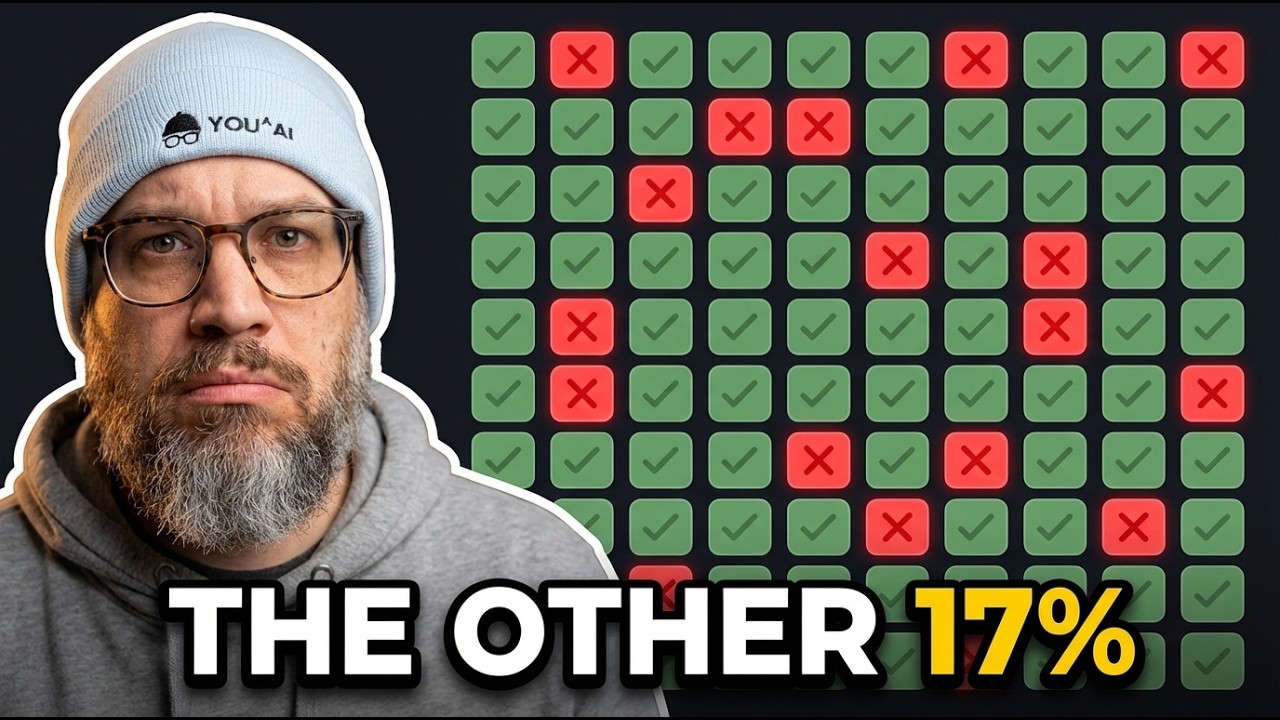
Stop accepting AI output that "looks right." The most valuable AI skill is now rejection, not generation. OpenAI's GPTval benchmark shows frontier models defeat 14+ year professionals 70% of the time at 1% of the cost — making the remaining 30% the true concentration of value. Epic Systems' dominance came from encoding clinical rejections into 300+ million patient records. Organizations that encode their "nos" will outpace those that don't.
Autoresearch loops are a new work primitive. Andrej Karpathy's Auto Research system ran 83 experiments autonomously, with 15 yielding improvements — all within fixed 5-minute budget constraints. Five requirements for loop-ready work: scorable outcome, fast iterations, bounded environment, low failure cost, and agents that leave traces.
Simon Willison: agents should produce better code, not worse. Background coding agents make the cost of refactoring so low that teams can afford "zero tolerance for minor code smells" — API redesigns, nomenclature standardization, and duplicate consolidation become asynchronous background tasks evaluated via PR.
Models, Infrastructure & Open Source
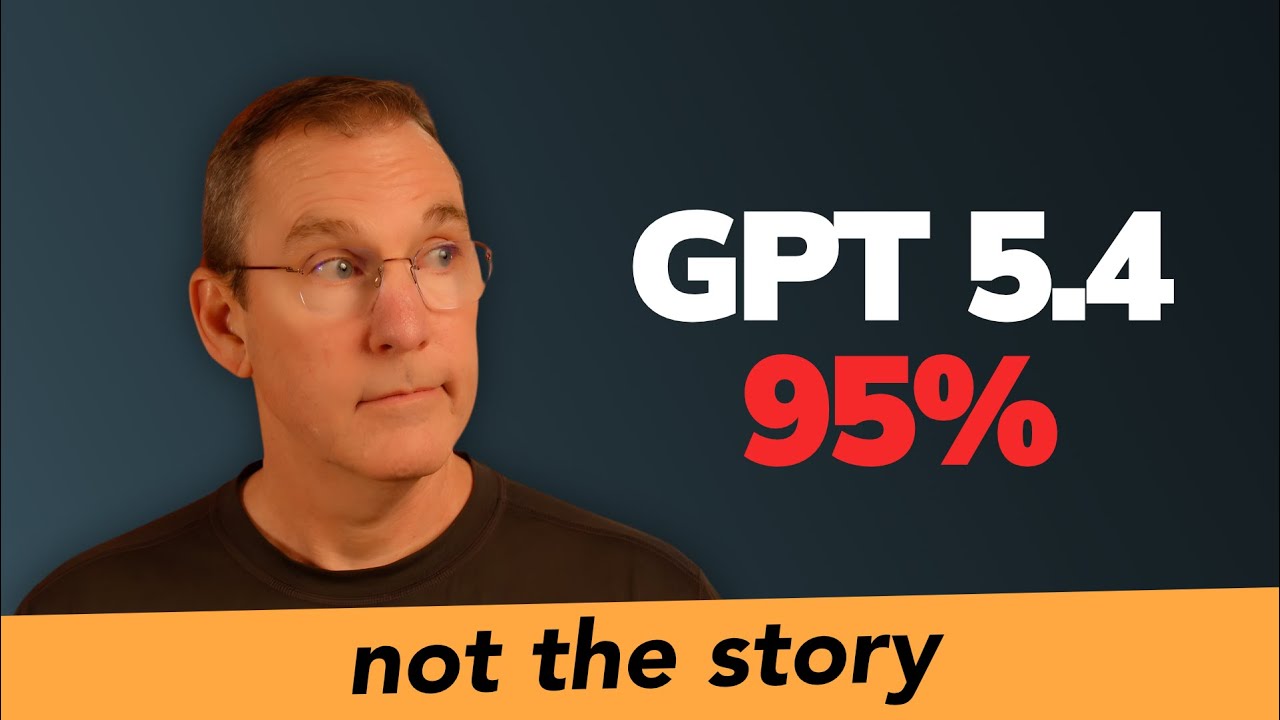
GPT-5.4 scores 95% on planning — but the tool matters as much as the model. Matt Maher's benchmark reveals dramatic gaps: GPT-5.4 via Codex CLI scores 82% at "high" autonomy but 95% at "extra high." Identical models through Cursor consistently score higher because of a built-in verification pass. Claude Code's Opus 4.6 in execution mode (92.9%) beats its own planning mode (77%) by 15 points.
NVIDIA open-sources NemoClaw. An agentic AI platform with built-in safety guardrails joins the wave of open-source agent frameworks.
Hume AI releases TADA. A speech generation system operating at 2-3 frames per second (vs. competitors' 12-75), achieving zero hallucinations in 1,000+ samples and a real-time factor of 0.09 — 5x faster than comparable LLM-based TTS. Designed for on-device deployment without cloud dependency.
Google releases Gemini 3.1 Flash Lite targeting high-throughput, cost-sensitive production deployments, alongside a wave of ~15 AI product updates including NotebookLM video generation, Lyria 3 music, and Gemini 3 DeepThink reasoning.
Also on the Wire
Meta launches MoltBook — social AI bots that interact with each other and human users, blurring lines between human and artificial engagement.
YouTube launches a deepfakes detection tool; NYT reports on AI and child safety for parents.
Microsoft Research proposes a new framework for agent memory that moves beyond conversation logging to structured, reusable knowledge.
Meta and WRI release Canopy Height Maps v2 using DINOv3 — R-squared jumped from 0.53 to 0.86, now operational in 10 US cities and supporting the EU's 3 Billion Tree Initiative.
Yann LeCun raises $1B for AMI Labs to build "world models" — AI that understands physics and spatial reasoning.
Hugging Face surveys 16 open-source async RL libraries, finding synchronous training leaves GPUs idle 60% of the time.
GitHub ships Claude and Codex for Copilot Business/Pro and makes Copilot CLI generally available.
The Throughline
Today's issue crystallizes around a single tension: the gap between AI capability and human readiness. On one side, the tools have never been more powerful — GPT-5.4 scores 95% on planning benchmarks, TADA generates speech with zero hallucinations, and Google's new CLI lets Claude Code orchestrate your entire Workspace from a single prompt. On the other, the humans wielding these tools are measurably struggling. Workers' productivity drops after tool number four. Brains go quiet when the AI goes away. A reporter's career ends because AI made it too easy to produce text that looked like quotes but wasn't.
The Anthropic Institute's launch is the most consequential story here precisely because it names this gap as an institutional problem, not just an individual one. When Jack Clark warns that "extremely powerful AI is coming far sooner than many think," he's not making a capabilities argument — he's making a governance one. The five areas the Institute will study (jobs, resilience, threats, values, recursive self-improvement) map almost perfectly onto the day's other headlines: the HBR productivity paradox, YouTube Kids' algorithmic exploitation, the Ars Technica fabrication, and the Senate's AI adoption. These aren't separate stories. They're symptoms of the same condition.
Meanwhile, the developer community is doing what it does best: building frameworks to close the gap from the bottom up. Bassim Eledath's 8 Levels give practitioners a maturity model. The "rejection as skill" thesis reframes quality control as the scarce asset in a world of abundant generation. Karpathy's autoresearch loops transform experimentation from artisanal to industrial. And Simon Willison makes the case that agents can enforce higher standards, not lower ones — if you design the process for quality rather than speed. The question for 2026 isn't whether AI can do the work. It's whether humans can keep up with the pace of deciding what work should be done, how to evaluate it, and who's accountable when it goes wrong.
What to Watch
The Anthropic Institute's first publications. Hiring a Yale Law professor and a former OpenAI economist signals research at the intersection of legal frameworks and economic displacement — expect early output to target the "supply chain risk" designation and AI labor market data that could reshape policy debates.
The "three-tool threshold" in enterprise AI adoption. If the HBR finding that productivity drops after three simultaneous AI tools holds across sectors, it implies a natural ceiling on tool sprawl — and a massive advantage for platforms that consolidate capabilities rather than adding another point solution.
Agentic engineering maturity as a team sport. Eledath's insight that a Level 7 practitioner is bottlenecked by Level 2 colleagues means the competitive unit isn't the individual developer — it's the team's collective level. Watch for hiring, training, and org design to start optimizing for this.
Go Deeper
Stop Accepting AI Output That "Looks Right" — Builds the case that rejection is the new scarce skill, introduces the "Rejection Flywheel" framework (recognize → articulate → encode), and shows how Epic Systems' 300M-record moat was built on encoded expert judgment.
AI Is Frying Your Brain — The Harvard, HBR, and MIT studies in detail, including EEG data showing cognitive atrophy and Mark Cuban's framework for two types of LLM users. Practical countermeasures: time-boxing, separating thinking from execution, and the 70% rule.
Google's New CLI Just Fully Unlocked Claude Code — Full 9-step setup walkthrough, Model Armor configuration (Warn vs. Block mode), and the 12-15 core skills worth installing out of ~100 available.
AutoResearch, Agent Loops, and the Future of Work — Karpathy's three-file system explained, the five requirements for loop-ready work, and real applications from astrophysics to cold outreach — expanding from ~30 experiments/year to 36,500+.
GPT-5.4 Got the Best Score — Then Something Stranger — The full benchmark results across models and tools, the "Cursor Effect" that boosts all models, and the Planning Mode Paradox where Claude Code's execution mode beats its own planning mode by 15 points.
YouTube's AI Slop Problem ... for Kids — The 40% AI-generated stat, the "lifelong algorithmic pipeline" from toddler to adult, and why YouTube's labeling policy has a massive animated-content loophole.