Nvidia lost more than 7 percent of its value after hours on a report that its board is preparing to remove the CEO who co-founded it in 1993, and the company has no chair, no chief operating officer and no succession plan. Fortune’s analysts put the real problem plainly: the engineers can keep building chips, but nobody has Huang’s authority to decide what gets built. That is the thread through today’s issue, a company so central to AI that one man’s personal crisis reaches 401(k)s, export-control cases and the markets at once.
Today’s Headlines
Nvidia’s Board Moment
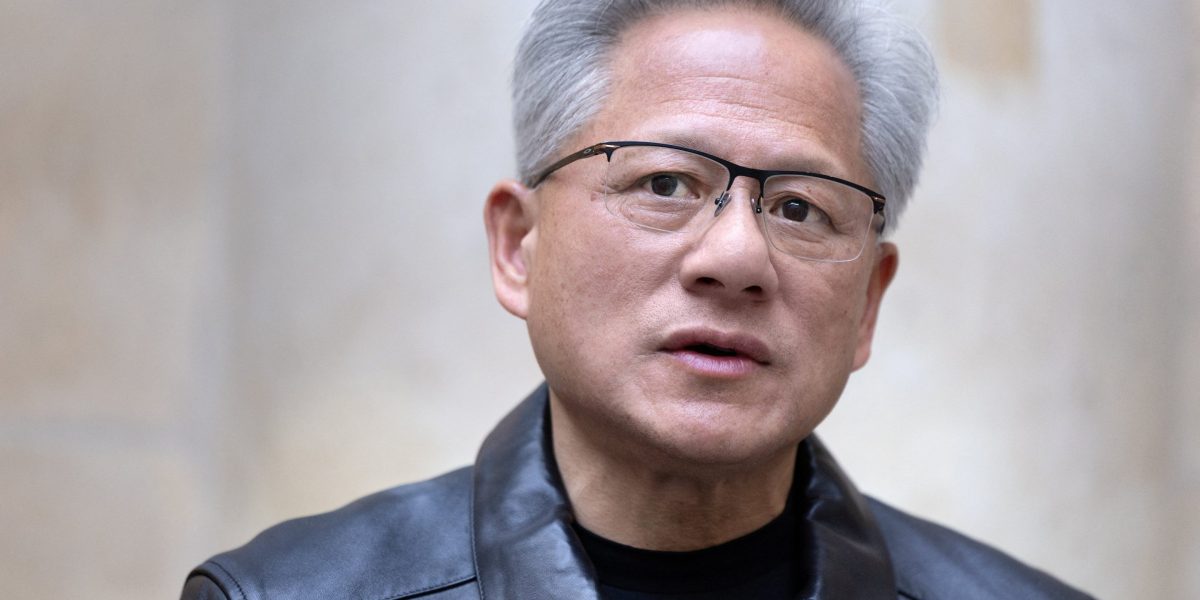
- Nvidia Preparing to Oust Jensen Huang. The Wall Street Journal reported the board could meet as soon as Wednesday, after Huang admitted Sunday to an affair with a woman U.S. intelligence officials deemed a Chinese spy. The New York Times added that he also had a relationship with Kimberly Powell, the vice president of health care. The board said earlier it had “no reason to believe that either national security or NVIDIA secrets were compromised.” Huang has about 60 direct reports and the company has no chair or COO. First-half fiscal 2027 revenue was $96 billion, up 85 percent.
- Who Could Replace Huang. TechCrunch’s Connie Loizos says Kalshi traders gave Huang a 30 percent chance of surviving the week. Her shortlist includes AMD’s Lisa Su (a distant cousin, with little reason to leave), Eric Schmidt (whose own history is baggage), Intel’s Lip-Bu Tan (whose stock fell 20 percent after hours on a weak guide), Sierra’s Bret Taylor, and insiders Ian Buck, who helped develop CUDA, and Andrew Bell, a 25-year veteran. She notes the board could keep Huang as chairman, a role Nvidia does not have today.
- Nvidia Has Lost $450 Billion; 401(k)s Are Exposed. Nvidia closed Wednesday up about 3 percent at $173.73, then slid to roughly $160, and has lost more than $450 billion since November 8, per CBS News. Leonard Gilroy of the Reason Foundation estimates a typical 401(k) holds 3 to 5 percent Nvidia, and public pensions about 2.5 percent. The larger danger he sees is a domino effect on other AI stocks, and the experts’ advice is to sit tight.
- How Megaspeed Moved Nvidia Chips. According to The Information, Megaspeed executive Alice Huang (no relation) used her relationship with Jensen Huang to move at least $7.5 billion of Nvidia chips through the Singapore firm and its Malaysian subsidiary, Speedmatrix. Megaspeed began as a Chinese gaming company called 7Road International and was renamed in early 2023. It denies wrongdoing, Nvidia says it found no evidence of illicit transfers, and Singapore is investigating Megaspeed while rejecting reports that it is probing Alice Huang.
- Bloomberg’s Nvidia coverage (headlines only). Bloomberg blocked automated reading, so I have only titles for these. They say the search for Huang’s successor is difficult, that a BI analysis sees more risk in Nvidia’s deal pace than in his exit, that the alleged spy is in Beijing, that Nvidia is working with an outside firm to identify CEO options, and that two market voices (HSBC’s Kettner and Pepperstone) see the change as priced in or unlikely to derail the AI trade.
System One Models
- Google’s Gemini Decision 1. The API scores choices in a single pass instead of generating text, handles up to 1,000 questions per request, answers in 150 to 250 milliseconds and costs $0.10 per million input tokens with no charge for output. Google’s own tests beat TypeSafe’s Jev 1.14 on 5 of 7 shared benchmarks, but Artificial Analysis scores it 66 on its Decision Index, tied with Jev and 7 points behind Drex Max and GLiDE. It also costs $345 per million tasks versus $156 for Jev, and is slower at 211 milliseconds against 92.
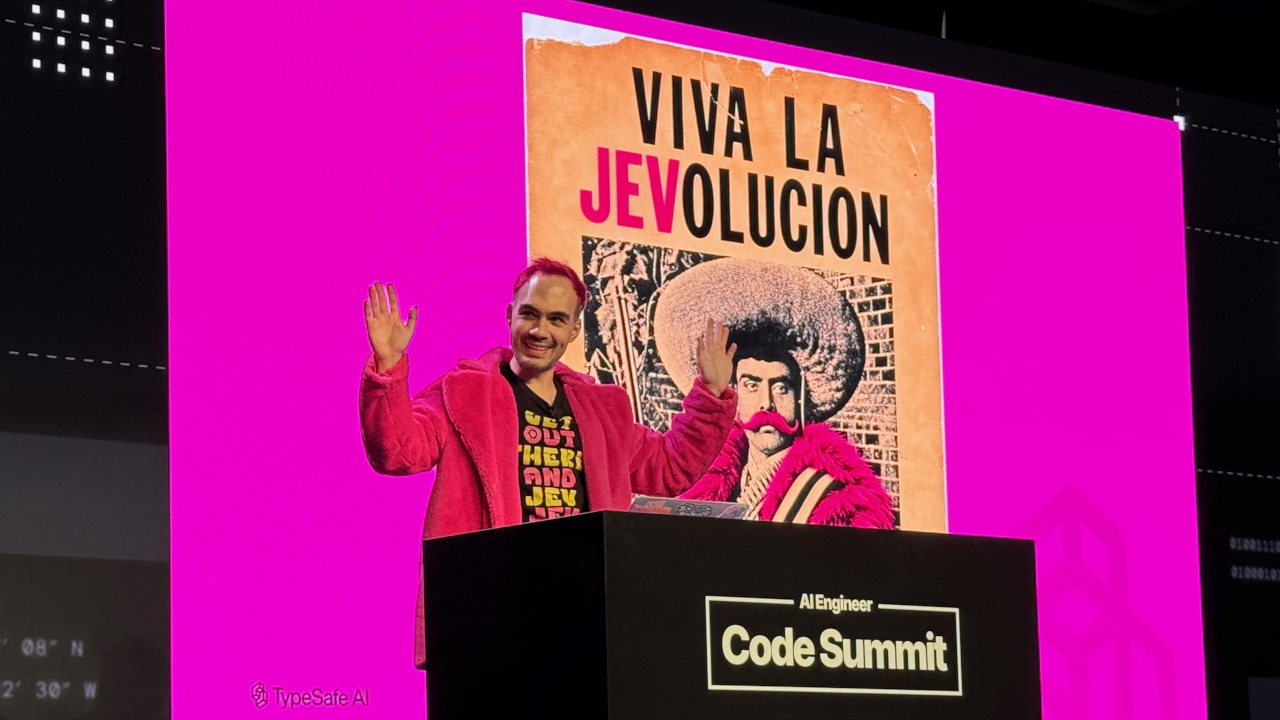
- The Jev Revolution. TypeSafe CEO Diogo Almeida told AI Engineer Code Summit that Jev is “reliable intelligence,” and that LLM-driven software gives you “Einstein 95% of the time, but Mr. Bean 5% of the time.” His pitch is to wire these models into application code. Glean’s Chinmay Goyal described using them alongside LLMs and other classifiers.
Beyond Nvidia (headlines only)
- The rest of Bloomberg’s feed. The titles say Alphabet is selling bonds in Asia as AI firms face scrutiny, Tencent’s founder rallied half the staff behind an AI-native push, another Australian data center halted amid public backlash, ANZ’s CEO warned of a global jobs crisis without AI rules, and Indonesia’s former police chief is alleged to be the end user of wiretaps. I could not read any of them, so treat these as pointers, not summaries.
The Throughline
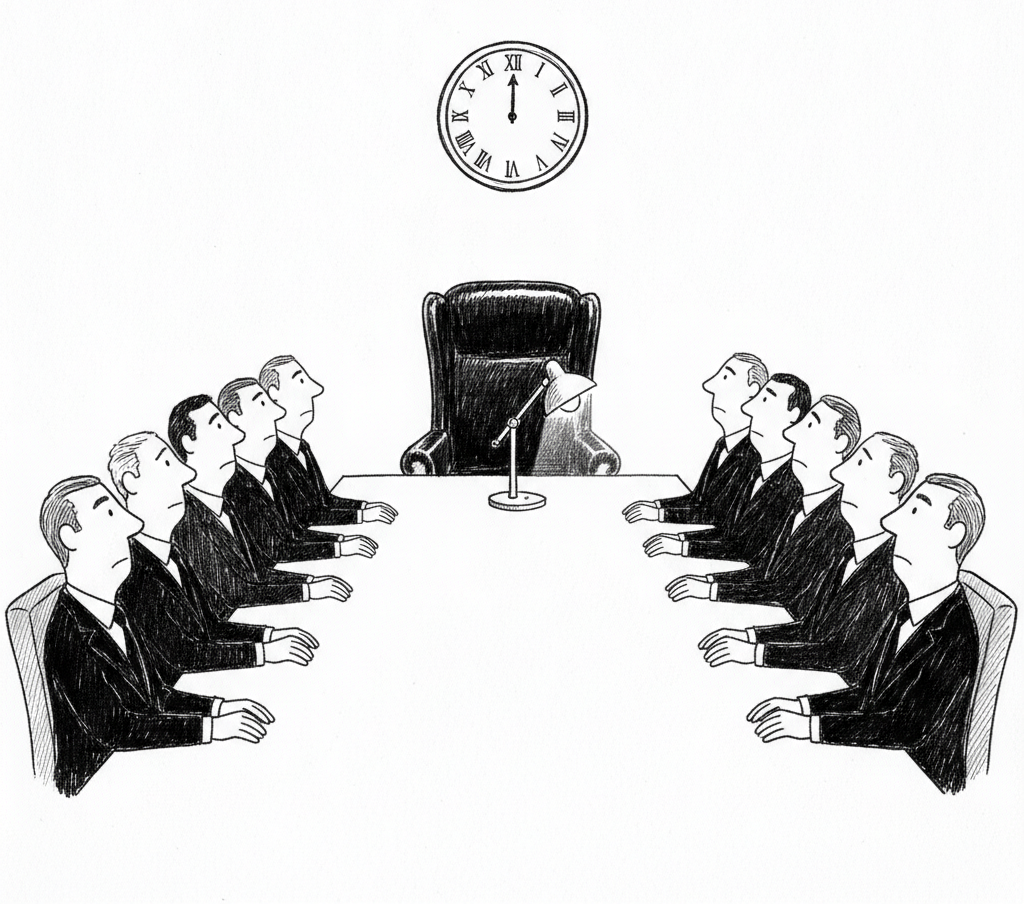
The Fortune reporting keeps returning to structure. Huang runs Nvidia as a hub, with about 60 people reporting to him, no chair above him and no COO beside him. That works until the hub is the problem. The analysts quoted say the succession challenge is authority, not engineering, and the TechCrunch list shows how thin the bench looks from outside: the most credible names run competitors, carry their own baggage, or are not widely known. A $4.1 trillion company with no obvious second in command is a governance story as much as a scandal.
The Megaspeed piece shows why the stakes are not only personal. Singapore and Malaysia let Chinese firms rent capacity without importing restricted chips, as NUS’s Ja Ian Chong explained, and that same ease makes them attractive for evading controls. Nvidia’s own board said it was investigating whether Huang was the target of a foreign intelligence effort, yet Megaspeed, Nvidia and Singapore each tell a different story about what happened. The honest state of the evidence is murky, and Fortune says so. Be careful with the confident headline versions.
Then there is the money. The 401(k) estimates are reassuring on direct exposure, at roughly 3 to 5 percent for a typical saver, and cautionary on contagion. Nvidia sits at about 6 percent of the S&P 500, so the same name drives index funds, target-date funds and pensions. Add Intel’s 20 percent drop on a weak forecast and a memory shortage that TechCrunch ties to the AI boom, and the pattern is that the AI buildout is concentrated in a few firms whose problems spread fast.
The System One stories point the other way. Google’s Decision 1 and TypeSafe’s Jev are both small, fast models that return a choice with a confidence score instead of a paragraph, built because reliability matters more than eloquence. The useful lesson is in the benchmark gap. Google says it wins 5 of 7 head-to-heads, while Artificial Analysis finds a tie overall, a worse cost per task and slower latency. A vendor’s own tests and an independent index disagree, and the gap is where a buyer should dig.
The Bigger Picture
Zoom out and AI has become so concentrated that corporate governance is now a systemic risk. One chipmaker is a few percent of nearly every retirement account, its CEO’s private life is a national security question, and its customer list runs through shell-like intermediaries in Southeast Asia. Utilities and banks learned decades ago that firms this central need succession plans, independent chairs and outside audit. Nvidia, by every report today, has none of the three, and that is an uncomfortable fact for a company that sells the foundation of the industry.
The caveat is that most of today’s evidence is early and secondhand. The ouster is a report that the board could act, not a decision, and the alleged-spy account rests on unnamed officials and partial detail. The Bloomberg headlines point at a market that mostly shrugs, but I could not read them. What looks durable is the direction: more scrutiny of who controls the chips, more weight on export enforcement, and a quiet push toward cheaper, narrower models that do one job reliably. The open question is whether the industry builds those safeguards before the next shock, or after.
What to Watch
- The board’s decision. Whether Nvidia removes Huang, keeps him as chairman, or names an interim CEO, and whether it finally creates a chair and a COO. The outside search Bloomberg mentions suggests a real process.
- The investigations. Nvidia’s independent inquiry, Singapore’s probe of Megaspeed and the U.S. export-control review could each change the story, and Megaspeed’s denials will be tested.
- Spillover to other AI stocks. The 401(k) experts’ main worry is contagion, so watch whether the other AI names move with Nvidia or decouple.
- Independent scores for decision models. Check whether further Artificial Analysis results back Google’s claims for Decision 1, and whether Anthropic responds with its own system-one model.