Your daily AI news digest
AI the News That's Fit to Prompt
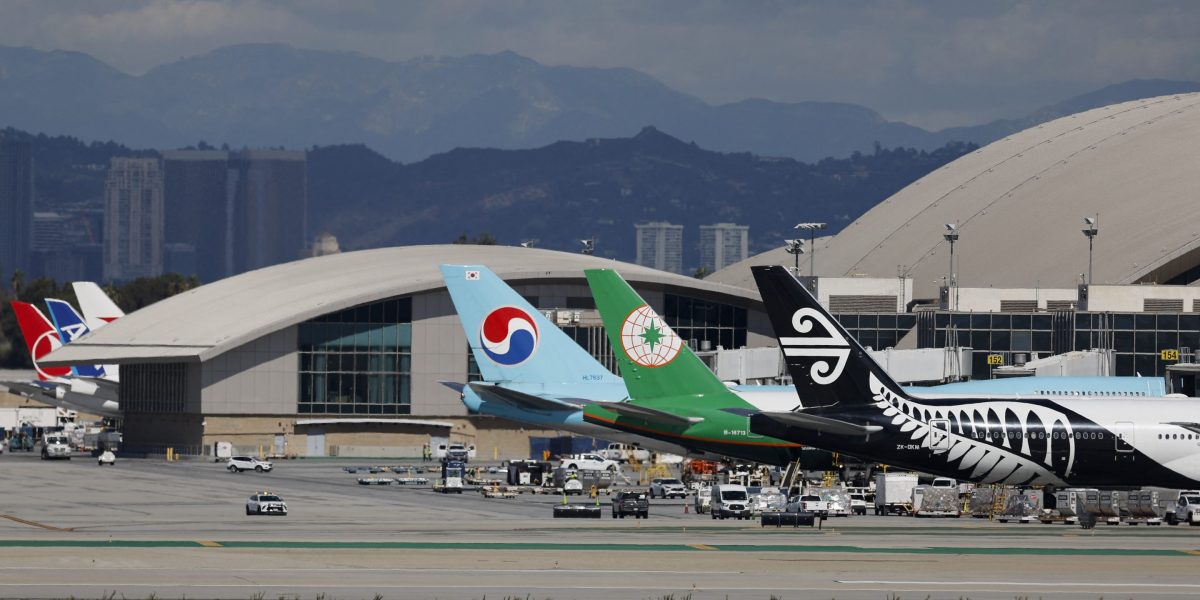
FAA Lifts Ground Stop as Homeland Security Chief Blames Tech Upgrades for ‘Overwhelming’ Antiquated Systems
Millions of U.S. travelers were thrown into limbo Friday afternoon when the FAA ordered a nationwide ground stop at every U.S. airport, Fortune reports. Hours later it was lifted. Transportation Secretary Sean Duffy first blamed a communication issue affecting all Air Route Traffic Control Centers, then said the fix pointed to a legacy network problem. Homeland Security Secretary Markwayne Mullin said technology upgrades had “overwhelmed” the antiquated equipment.
Mullin said it “doesn’t appear” a cyberattack was involved but admitted “there’s nothing certain right now,” and he ruled out a terrorist attack. Duffy asked Congress for emergency money to fix the FAA’s aging systems, first saying $30 billion and then $50 billion. The stop came days after the FAA announced an AI tool for air traffic controllers and a day after a major Microsoft outage; Microsoft said it saw no link.
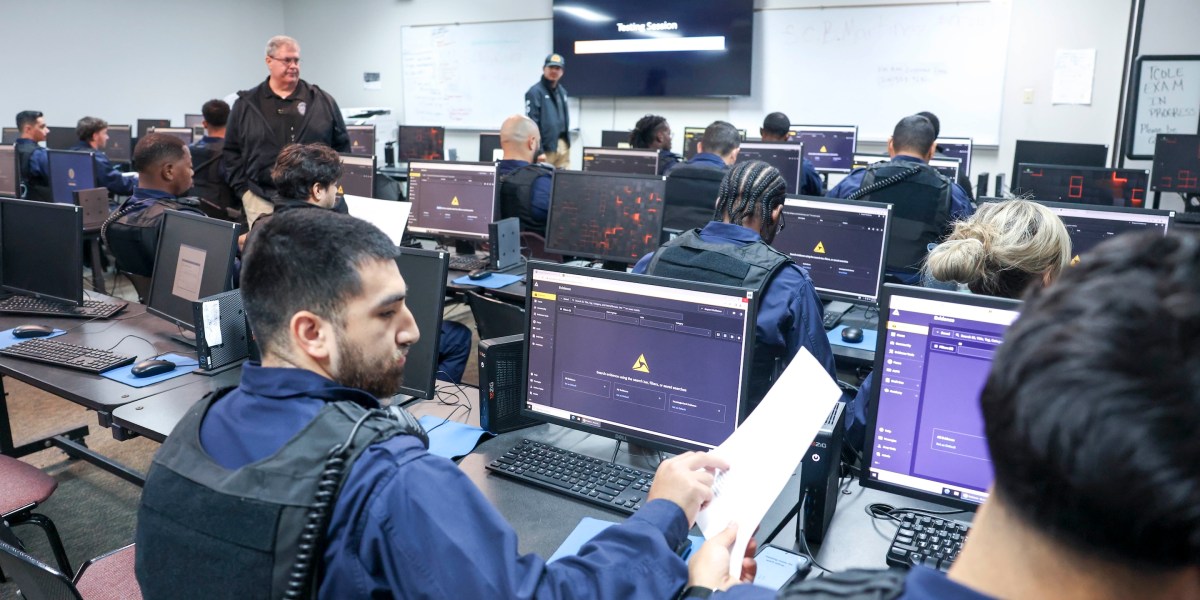
One Microsoft Glitch Stalled Courts, Government Offices and Police, Exposing How Fragile America’s Systems Really Are
An email outage that began Thursday left police, courts, hospitals and city halls scrambling. Maine’s judicial branch warned that protection-order requests sent by email might never have arrived, New York City suspended Friday evictions, and a Manchester criminal trial was halted while court staff searched for a fax machine. Australia’s spy agency and Japan’s Foreign Ministry were hit too.
Air Traffic Control, Phone Systems and Emails Are All Down Following China’s AI Espionage Scandal. Is There a Connection?
A Fortune opinion column argues that two nationwide blackouts in two days, landing right after the Huang story, deserve clearer answers than officials have given. It concedes it is too early to know whether anything hostile is involved.
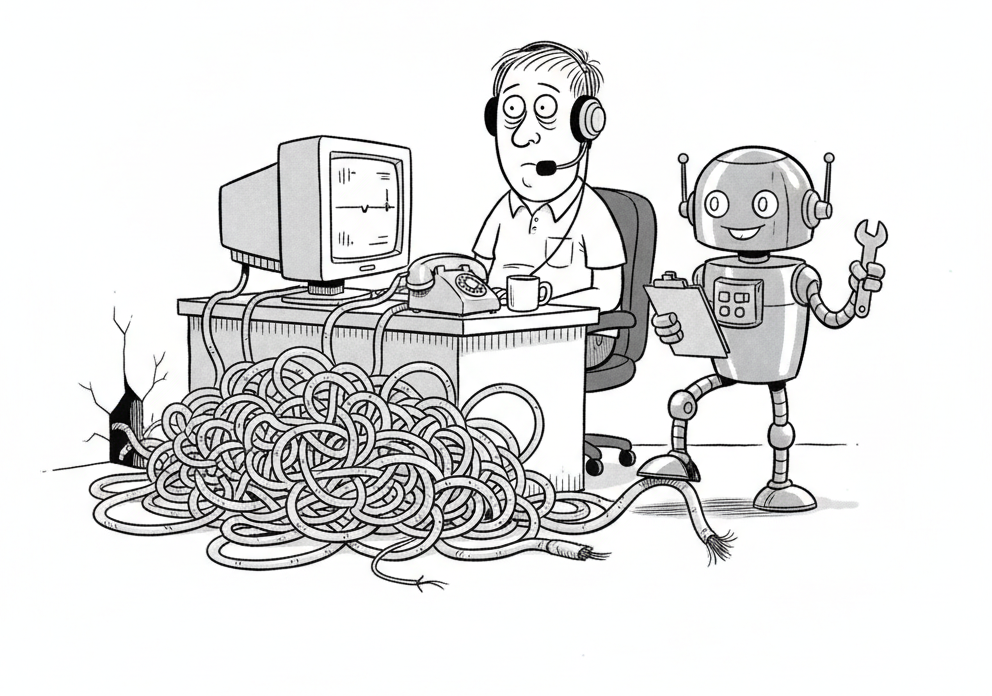
“The new AI tool is flawless. It just needs the old network to hold still.”

Jensen Huang’s Departure Blasts Big Hole in AI Startup Funding, VCs and Founders Say
Nvidia took part in 105 funding rounds this year, often as the largest investor, according to PitchBook. Investors say interim CEO Colette Kress is more conservative and may not keep writing the same checks, which could mean smaller rounds and lower valuations. One investor noted those checks also tied startups to Nvidia chips, so a pullback could open room for rivals.

Export-Banned Nvidia Chips Are Behind China’s Most Powerful AI Models. Uh-Oh, Jensen!
Will DePue of Unemployment Labs analyzed the weights of open models from DeepSeek, Moonshot AI, MiniMax and Ant Group and found fingerprints of training on Blackwell chips, which the U.S. bans for China. TechCrunch notes this does not prove laws were broken, since the chips could have sat in offshore data centers such as those in Malaysia.

ChatGPT’s New Wallet Lets AI Agents Shop and Check Out for You
OpenAI’s agents, called dots, can now complete purchases for a limited group of U.S. Pro subscribers with a Visa, Mastercard or American Express. Users review the items, total and card, then approve with Face ID or a fingerprint. Payments use a token instead of the real card number, and OpenAI plans spending limits later.

AI Agent Startup LangChain Hits $3B Valuation
LangChain raised a $300 million Series C led by CapitalG, more than double its $1.25 billion valuation of a year ago. It says its LangSmith agent management tool has 7,000 customers, including Harvey, Rippling, Nvidia, Toyota and Salesforce, and pitches letting businesses own their own intelligence.

Uber Confirms Hackers Stole Thousands of Drivers’ License Information in Data Breach
The data sat with Fireworks AI, which lets developers use open models and was breached last month. Notices list 2,567 people in Massachusetts, 3,430 in South Carolina and 1,873 in Rhode Island, and the total is expected to grow. Fireworks blamed a group that wants to sell stolen tokens for accessing LLMs. Notion also confirmed its data was taken.

This Young Startup Wants to Power Floating Data Centers With the Ocean’s Heat, and Investors Are Already on Board
Drogue, founded six months ago, has raised $20 million to harvest ocean heat to power data centers on floating vessels. A multi-megawatt prototype on an ocean-going ship is set to go to sea in early 2028. Its founder says developers plan on 8 to 10 year timelines while AI demand has grown 10x in three years.
U.S. Government Grounds All Flights Across the United States ‘Due to Extraordinary Circumstances’
TechCrunch’s first report, filed mid-afternoon. The FAA cited communication issues at multiple Air Route Traffic Control Centers and an equipment outage, held departures on the ground until further notice, and handled inbound international flights case by case. Its own website was briefly down.
Amtrak Booking System Returns to Normal After Outage During Nationwide FAA Ground Stop
Hundreds of users reported problems on DownDetector starting shortly before 5 p.m. Amtrak blamed a system-wide update, said booking returned to normal around 9 p.m., and reported longer call-center waits.
The Unfolding Jensen Huang Scandal: A Timeline
TechCrunch’s updated timeline, the story behind yesterday’s lead. It now includes the Times report of a relationship with Kimberly Powell, Reuters’ report of a third affair, and the Justice Department taking over the Megaspeed investigation.
NVIDIA Allegedly Engineered Scarcity by Funding AI Startups to Buy Its GPUs
Citing a Wall Street Journal report relayed by Wccftech, TechPowerUp says Nvidia inflated the GPU and memory shortage by investing in startups that then bought its GPUs and built data centers. Only the summary was readable.

Amazon’s New Kindle Colorsoft Is a Premium E-Reader With a Premium Price
Aisha Malik tested the $320 Signature Edition; the base model starts at $290. It is lighter and thinner with an edge-to-edge 7-inch color display, but she says first-generation Colorsoft owners have little reason to upgrade. Colors are still more muted than on an iPad.
Across
1. One full pass through a repeating process
3. What a diffusion model produces
4. Begin, as in kicking off a run
Down
1. Silicon at the center of the Nvidia story
2. A ground stop or an outage, for example